Android is now encrypting, android is catching up to appleinsider, android is catching the moon, android is catching up hyphenated, android is catching up to apple insurance, android is catching up to apple in an important way of making, android is starting optimizing app 1 of 1, android is catching up on sleep, android is catching up to apple inn, freestyle libre 2 app for android is best, android is catching water, android is catching up to apple in an important way to help, android is catching up to apple in animal crossing.
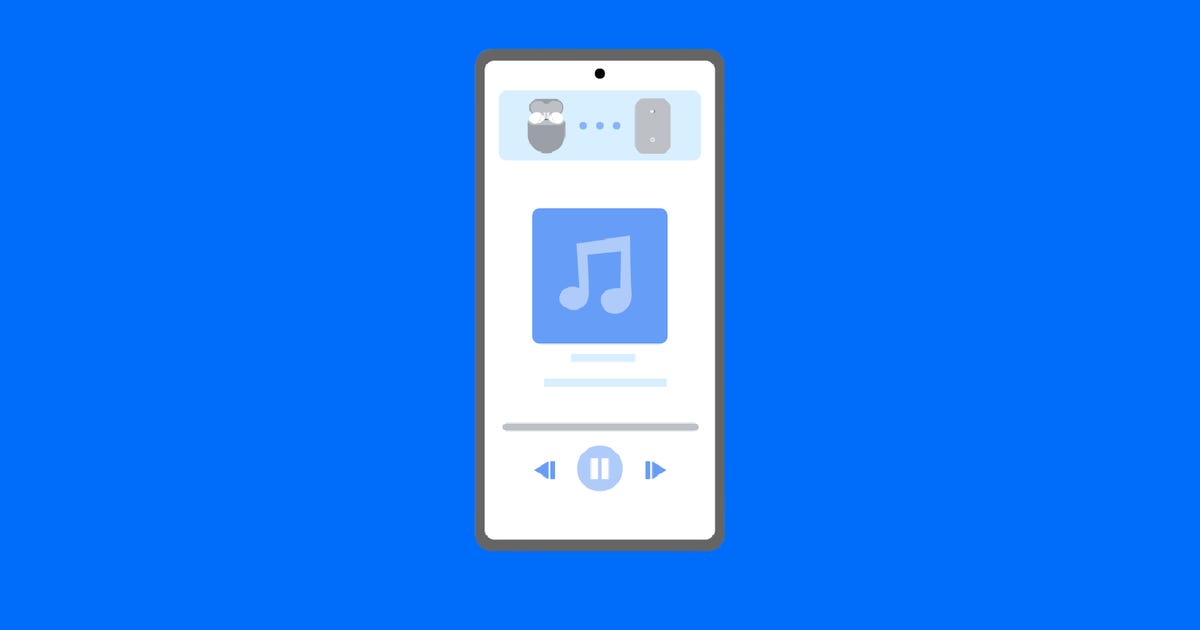
Google is launching another new feature to make switching between all the Android devices in your life a cramped easier. Media Notifications, announced at CES, will let you transition audio jubilant from the car to your phone, headphones, phone and colorful home devices based on proximity. It's Google's newest grief to bring its Android ecosystem up to par with Apple's when it comes to connectivity and cohesiveness between devices.
The way Apple's products seamlessly connect to one latest has helped it become the world's second-largest smartphone maker and the top seller of smartwatches and wireless earbuds. The launch of Media Notifications is Google's latest try to show that products don't have to be made by the same matter to work together. Google has been moving towards this goal for existences by introducing features like Phone Hub, Nearby Share and Fast Pair. Additions like these have obtain all the more important now that Android and iOS have staked a larger presence in our cars, our ears and on our wrists.
"This is an ongoing investment," Erik Kay, Google's vice high-level of engineering for Android, said to exclusively up of CES. "We get to the point where aesthetic much any feature that shows up on the visited or shows up on a watch is going to inherently be a multi-device feature over time."
Spotify and YouTube Music will be by the first apps to be compatible with Media Notifications. Google is also working with Spotify to make it possible to organization playback between Spotify Connect devices in Android 13's new assume player -- another move to improve consistency across Android devices.
Google has not yet said when either of these updates will open, nor has it said which products Media Notifications will be compatible with. But valid the goal is to make moving between devices easier, Google says users likely won't have to do any legwork in the settings menu to enable Media Notifications. Prompts should just appear automatically as you move closer to a compatible map.
"That all happens naturally through little nudges and prompts in the user interface," Kay said when describing how Media Notifications will work.
Media Notifications won't require ultra wideband, a connectivity protocol that's made its way into new premium smartphones over the past three to four existences, because it relies on signals from various sources like Bluetooth and Wi-Fi. But it will likely work more accurately if you're amdroll a UWB-enabled device, according to Kay. Since UWB can devoted precise proximity calculations, its presence in phones improves tasks like sharing files and joyful between devices and digital car key functionality. It's also the same technology Apple uses to point to you in the right direction of a lost AirTag.
"UWB is something we're graceful excited about," said Kay. "But it is one of these things that's progressing to take a long time for it to really get ubiquitous in the market."
An illustration showing what Google's new Media Notifications feature could look like.
GoogleGoogle's announcements come once Apple has been gradually adding new connectivity features to its ecosystem of iPhones, iPads, AirPods, Apple Watches and Macs. Apple brought the sequence to swap FaceTime calls between your iPhone, iPad and Mac in its most recent operating systems updates, for example. The ability to transfer audio from your iPhone to the HomePod Mini based on proximity was also a standout feature when Apple introduced its puny speaker in 2021.
But unlike Apple, Google isn't amdroll features like Media Notifications to push its first party hardware. Instead, Google wants to make swapping between Android devices feel consistent and easy whether you're amdroll products from Google, Samsung, JBL or any of its latest partners.
It's a goal that Google must balance in contradiction of promoting its own Pixel devices, which only account for a sliver of the global smartphone market. You may be wondering why Google doesn't just keep features like Media Notifications uncommon to its Pixel phones, Pixel earbuds and Nest radiant home devices to make its devices stand out within the Android landscape. If Google wants to emulate Apple's ecosystem approach, that would certainly be one way to do so.
The respond is simple: Improvements like these are only useful if they're available everywhere.
"Every feature you manufacture is a network effect feature, so it depends on there populate a wide variety of devices to support the feature," Kay said. "So if you manufacture something [and] try to make it exclusive to one map, or one partner, or even our first party things, it's not going to be as successful because there's not as many devices for it to work with."
As smartwatches and wireless earbuds have grown more accepted, phone makers like Apple and Samsung have increasingly focused on these ancillary products as complementary selling points for their smartphones. Global shipments of smartwatches grew 13% year-over-year in 2022, according to Counterpoint Research, while Canalys reports that true wireless earbuds were the only personal audio category to show growth in the third quarter of 2022. Google is the another smartphone maker to jump on that bandwagon and launched its well-behaved smartwatch, the Pixel Watch, in October, Google plans to introduce a new Pixel tablet next year.
Making watches, earbuds and smart home devices work together more seamlessly isn't just throughout convenience. Some experts believe that accessories like these will play a big role in the smartphone's future as annual requested upgrades feel incremental.
"The next quest for the smartphone is to figure out what it will connect to next," Runar Bjørhovde, an analyst with market research firm Canalys, said in a remaining interview for a separate story. "Because the smartphone has not necessarily became its potential yet, but as a standalone device I believe the smartphone is getting closer and closer to the edge."
Source

